October 22, 2026
Choosing a fence involves more than deciding how a property should look. The right option can provide privacy, improve security, define property boundaries, and complement the surrounding landscape while adding practical value to the property. Different materials, heights, and designs offer different benefits, so it is important to consider how the fence will be used before making a decision. Factors such as weather exposure, available space, and future maintenance needs can also affect the choice. This article explains the main factors to consider when choosing a fence, including its purpose, material, appearance, maintenance needs, and overall cost.
Identifying Your Main Needs
The first step in choosing a fence is identifying what you want it to accomplish. Some property owners want more privacy, while others need to establish boundaries, improve security, or create a safer outdoor area for children and pets. Understanding the main purpose of the fence can help narrow the available options and make the selection process easier. Privacy is often a priority for properties located near busy roads or neighboring homes. A fence with limited gaps can help block outside views and create a more secluded outdoor space. For properties where visibility matters, a design with open sections may be more suitable. This type of fence can define boundaries without completely blocking the view of the surrounding area.
Security is another common consideration. A fence can help discourage unwanted access and make property boundaries more noticeable. However, the level of security it provides depends on its height, construction, layout, and placement. Property owners should also consider how the fence will be used throughout the year and whether their needs may change over time. A professional fence service can help evaluate the property's layout and discuss options that fit its intended purpose. Considering these needs early can make it easier to select a fence that offers practical benefits while fitting the property's overall design.
Comparing Different Materials
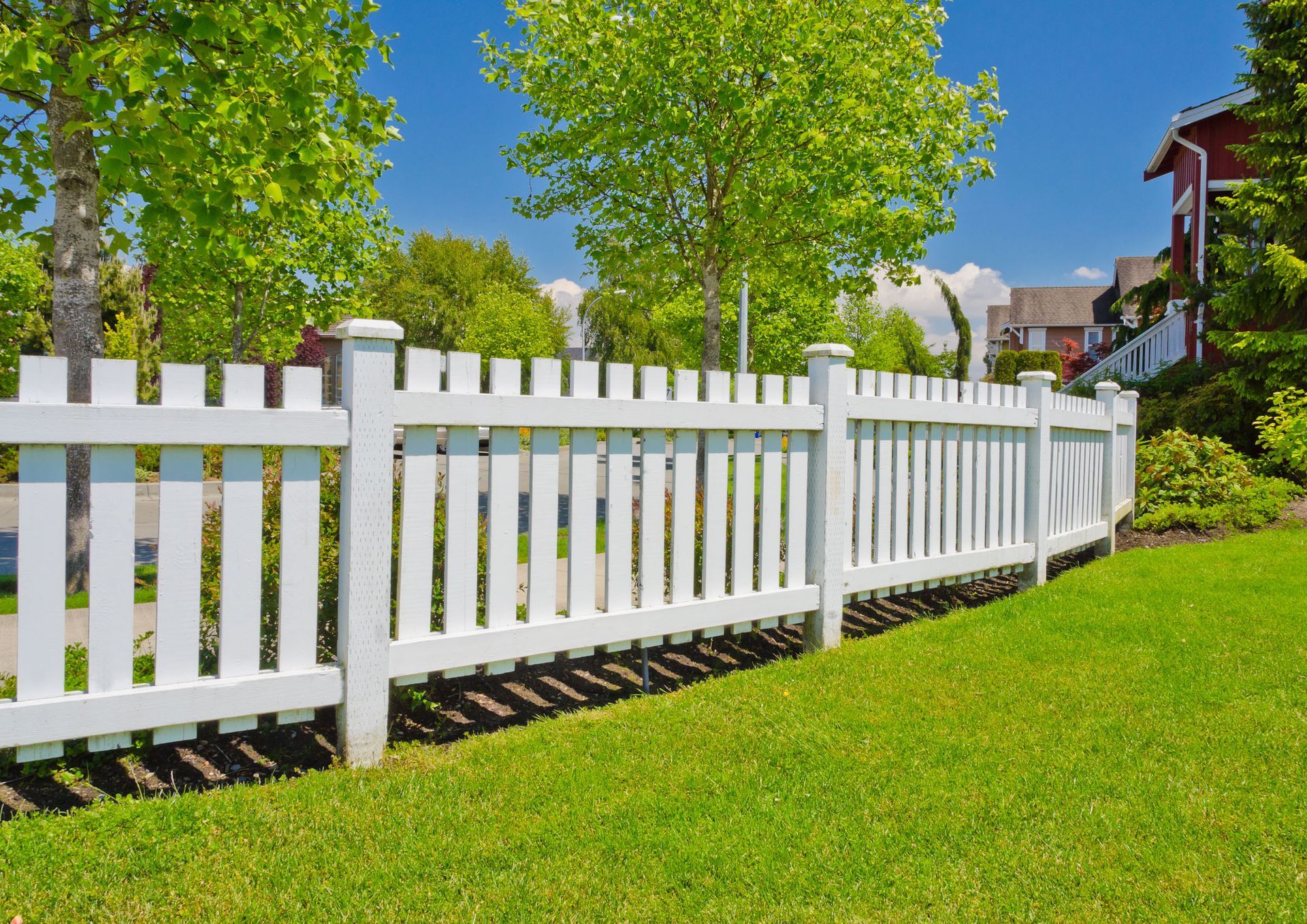
Fence materials affect appearance, durability, maintenance, and cost. Common options include wood, vinyl, metal, and chain-link fencing. Each material has characteristics that make it suitable for different properties and uses. Comparing these options can help property owners determine which one best fits their priorities. Wood fencing is often selected for its traditional appearance and design flexibility. It can provide privacy and complement a range of architectural styles. However, wood may require periodic staining, painting, or other maintenance to protect it from moisture, sunlight, and weather-related wear. The type of wood and the conditions around the property can affect how well the fence holds up over time.
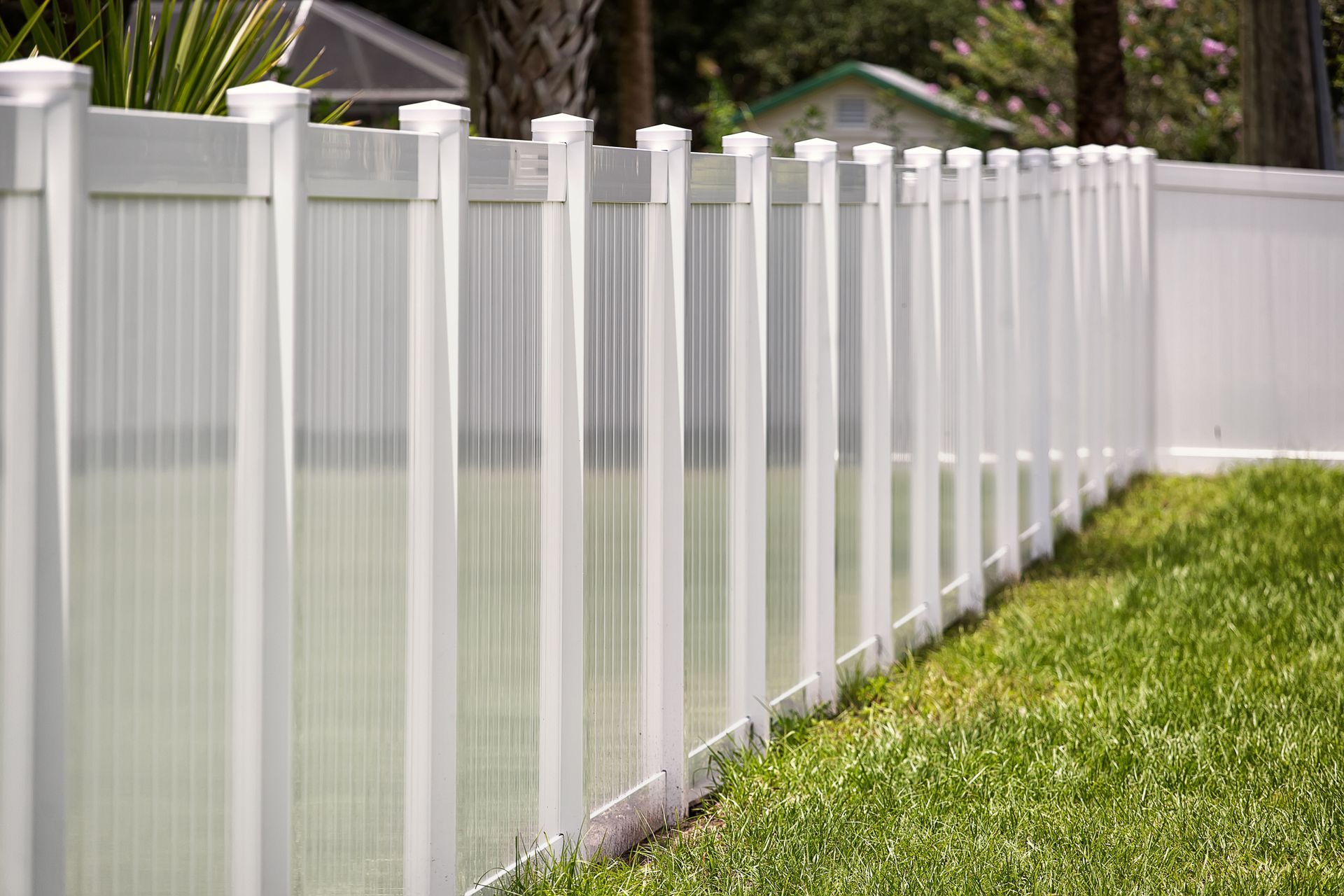
Vinyl fencing generally requires less maintenance than wood and comes in several styles and colors. However, material quality and weather exposure can affect its condition over time. Metal fencing offers a durable boundary with an open appearance, while chain-link fencing provides a practical way to mark boundaries without blocking visibility. These options may offer less privacy than solid fencing. When comparing materials, consider the property's conditions, maintenance needs, and budget. A fence service can help identify an option that fits your property's needs.
Evaluating Privacy and Height
Fence height plays an important role in privacy, security, and appearance. A fence that is too low may not block nearby views or provide the separation a property owner wants. A taller fence may offer greater privacy, but it can also affect the property's appearance and may be subject to local restrictions. According to HomeGuide, standard privacy fences are generally six to eight feet tall to block unwanted views. This height can help create a more secluded outdoor area, particularly when neighboring properties are close together. The appropriate height still depends on the property's layout, local regulations, and the level of privacy desired.
Privacy also depends on the fence's design. Solid panels can limit views from outside, while fences with spaces between boards or sections allow more visibility. Property owners should consider where privacy matters most, such as patios, pools, gardens, or areas near neighboring windows. The direction of the fence and the surrounding landscape may also affect how well it blocks unwanted views. Before selecting a height, check applicable local requirements and property restrictions. Some areas limit fence height or have separate rules for front yards, side yards, and backyards. Seeking professional help can make it easier to account for these requirements before installation begins.
Considering Appearance and Layout
A fence should work with the property's overall appearance rather than feel disconnected from it. The style, color, material, and shape can influence how the property looks from the street and how outdoor areas feel from within. Choosing a design that complements the building and landscape can create a more consistent appearance. Traditional homes may pair well with classic wood designs, while properties with modern architecture may benefit from simple lines and understated materials. Decorative metal fencing can suit properties where an open, formal appearance is preferred. The right choice depends on the building's features, surrounding landscape, and personal preferences.
The property's layout also affects fence placement. Sloped ground, trees, gardens, driveways, and existing structures may influence how the fence follows the boundary. Gates should be placed where they are convenient to use and provide suitable access to outdoor areas. A poorly planned layout can make sections of the yard less accessible or interfere with normal property use. It is helpful to consider how the fence will look from different angles, including the street, neighboring properties, and main outdoor living areas. A fence service can help evaluate placement and design choices so the finished structure fits the property and serves its intended purpose.
Estimating Costs and Long-Term Value
The cost of a fence depends on several factors, including the material, total length, height, design, terrain, and installation requirements. Gates, slopes, obstacles, and access limitations may also affect the final price. Comparing estimates can help property owners understand how different options fit their budget. The lowest initial price may not always represent the best long-term value. A less expensive material could require more frequent maintenance or earlier replacement, while a higher-priced option may offer lower upkeep costs. The right balance depends on how long the fence is expected to remain in place and how much maintenance the property owner is prepared to manage.
It is also important to account for the condition of the installation area. Uneven ground, existing structures, and difficult access can add complexity to a fencing project. Property boundaries should be confirmed before work begins to reduce the risk of disputes or placement problems. Local permits and other requirements may also affect the overall budget. When reviewing estimates, ask what the quoted price includes and whether additional costs may apply. A fence service can explain the factors that affect pricing and help compare suitable options. Looking at both immediate expenses and long-term maintenance can lead to a more informed decision.
Choosing the right fence requires balancing privacy, security, appearance, maintenance, cost, and local requirements. By identifying the main purpose of the fence and comparing suitable materials and designs, property owners can make an informed decision that supports their property's needs and complements its overall appearance over time. For help with evaluating your options, contact Bixby Fence to discuss your property, explore available fencing choices, and find a fence service that fits your goals, preferences, and budget.